
If it feels like buying equipment costs more than it did a year ago — and financing it doesn’t feel any cheaper — you’re not imagining it. Two forces are shaping the equipment market in 2026: interest rates that have leveled off well above pre-2022 norms, and tariffs that are pushing up the price of imported machinery, parts, and materials. Here’s what’s actually happening, and what it means for your next equipment purchase.
Where Interest Rates Stand Right Now
In late July 2026, the Federal Reserve held its benchmark rate steady at a target range of 3.5% to 3.75%, extending a wait-and-see stance that’s stretched through most of the year. Three committee members actually pushed for a rate increase rather than a cut, pointing to inflation that remains above the Fed’s 2% target. In plain terms: don’t count on a return to ultra-cheap borrowing anytime soon. Equipment financing rates across the market reflect that reality — currently running roughly 7% to 12.5% through traditional banks and 6.75% to 11.75% through credit unions, with online lenders and equipment dealers often higher. Your actual rate still comes down heavily to your credit profile: businesses with strong credit are seeing offers in the 7% to 11% range, while weaker credit can push well into the high teens or twenties.
Tariffs Are Pushing Equipment Prices Higher
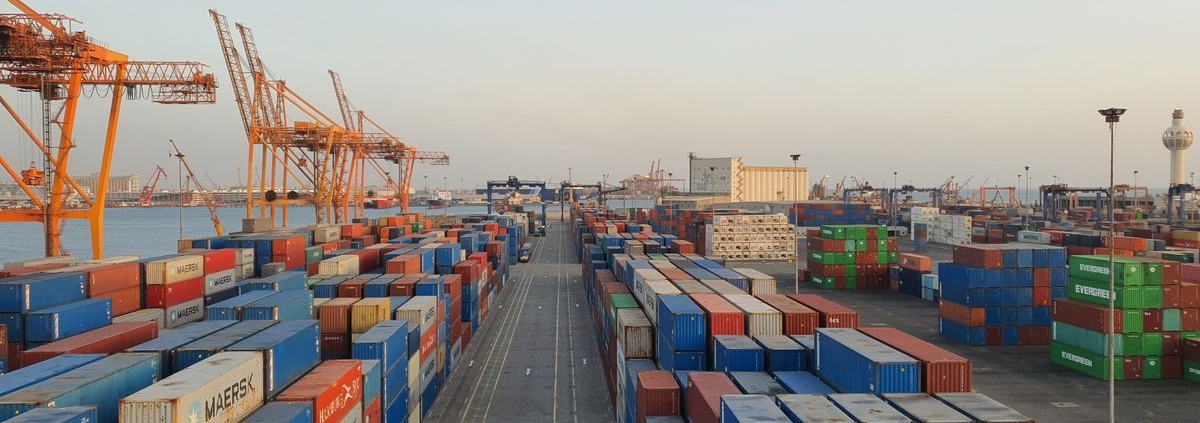
At the same time, tariffs are working their way into the cost of the equipment itself. Research from the Federal Reserve Bank of New York found that roughly 80% of small businesses nationally reported higher prices on imported inputs compared to the year before, and the goods sector — where a lot of financed equipment lives — has been hit especially hard. Most businesses facing these cost increases are passing at least some of it along to customers, while absorbing a portion themselves. Either way, the sticker price on new equipment is trending up, not down, and there’s no clear signal that it’s about to reverse.
What Higher Rates and Higher Prices Mean Together
When financing costs stay elevated and equipment prices climb at the same time, waiting doesn’t pay off the way it used to. The equipment you’re pricing out today is likely to cost more if you price it again in six or twelve months, and there’s little indication that rates are about to drop enough to offset that. For a lot of business owners, that shifts the math toward locking in a fixed monthly payment now, on today’s price, rather than saving up cash while both variables move in the wrong direction.
What This Means for Your Next Purchase
The good news is that the financing market has kept up. Equipment financing is now a roughly $1.2 trillion-a-year industry, funding decisions have gotten faster (many online lenders now fund in about 48 hours), and options exist across a wide range of credit profiles — approval rates run from around 95% for excellent credit down to roughly 40% for businesses with credit challenges, with rate and terms adjusting accordingly. If your bank has already said no, or you’d rather not tie up working capital in a single purchase, financing spreads today’s equipment cost — tariffs and all — into predictable monthly payments instead of one large hit to your cash reserves.
Talk to Us Before You Buy
Every business’s situation is different — your credit profile, the equipment you need, and your timeline all affect what makes sense right now. Talk to us before you commit to a purchase or a financing structure. We’ll walk through your options, help you understand what rate and terms you can realistically expect, and make sure you’re not leaving money on the table in a market that’s shifting on two fronts at once. Request a quote and we’ll get back to you quickly.